


All levels
|
33 min 22 sec
|
00:40
|
|
01:21
|
|
04:20
|
|
03:03
|
|
02:25
|
|
03:23
|
|
03:18
|
|
00:39
|
|
01:24
|
|
02:19
|
|
01:57
|
|
02:06
|
|
02:42
|
|
02:11
|
|
01:42
|

Taught by A Verb for Keeping Warm
Part of Mini Journeys
Start Free Trial or
Buy For $19.95
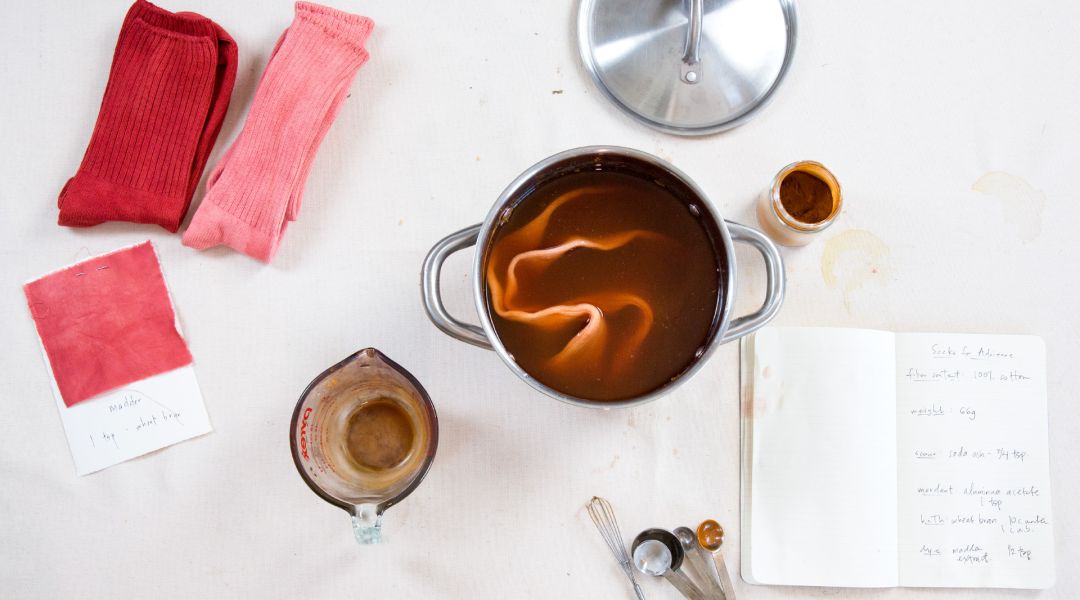
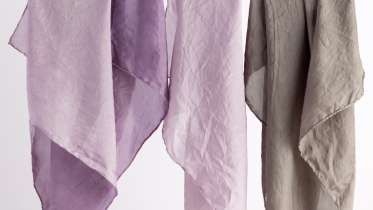
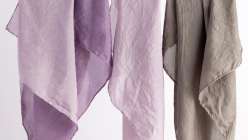
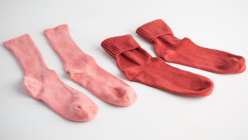
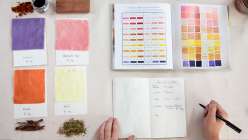
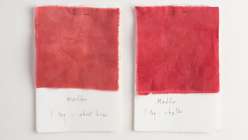
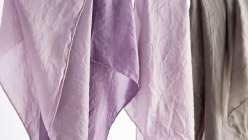
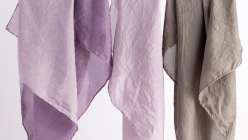
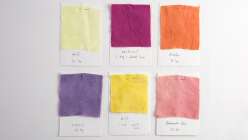
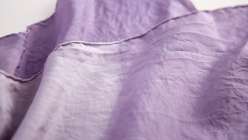
Learn the basics of natural dyeing in this two-part course, enabling you to create fabrics and garments in your very own original hues. Kristine uses all natural dyes in her process, and she discusses how to create a variety of shades by using different dyes, fabrics and dye bath times. In the first part of this class, you will learn how to work with silk, a protein fiber, dyeing it a lovely purple shade with Logwood. In the second part, you will learn how to work with cellulose fibers, dyeing a pair of cotton socks red using Madder extract.
Part 1 Materials:
Learn how to:What You'll Get:
Here’s what you’ll need:
Many of the supplies needed can be found online from A Verb For Keeping WarmPart 1 Materials:
- Silk scarf
- Scale
- Aluminum potassium sulfate "mordant" – 1 Tbsp per 100 grams of fabric
- Natural dye, Kristine uses Logwood to create a purple shade
- Spoon or small whisk
- Measuring spoons
- Liquid measuring cup
- Tongs
- 3-5 quarts (2.8 - 4.7 Liters) stainless steel pot with lid
- Timer
- Thermometer
- Rubber gloves
- Liquid dishwashing detergent, Kristine uses Ecover
- Bucket
- Journal for recording dye process
- Apron
- Access to hot water and a stovetop (kitchen works well)
- 100% Cotton socks for dyeing
- Sieve
- Wheat Bran, about 1 cup
- Soda Ash or “washing soda” for scour – 1 ¼ tsp per 100 grams material (found at the hardware store)
- Natural dye, about ½ teaspoon -– Kristine uses Madder natural dye extract
- Scale
- Aluminum acetate "mordant" – 2 teaspoons per 100 grams material
- Spoon or small whisk
- 3-5 quarts (2.8 - 4.7 Liter) stainless steel pot with lid
- Measuring spoons
- Liquid measuring cup
- Tongs
- Timer
- Thermometer
- Rubber gloves
- Silk and wool yardage
- Bucket
- Journal for recording dye process
- Apron
- Access to hot water and a stovetop (kitchen works well)
Natural Dyeing: How to Dye Silk and Other Protein Fibers
- Silk scarf
- Scale
- Aluminum potassium sulfate "mordant" – 1 Tablespoon mordant per 100 grams fabric
- Natural dye, Kristine uses Logwood to create a purple shade
- Spoon or small whisk
- Measuring spoons
- Liquid measuring cup
- Tongs
- 3-5 quarts (2.8 - 4.7 Liters) stainless steel pot with lid
- Timer
- Thermometer
- Rubber gloves
- Liquid dishwashing detergent, Kristine uses Ecover
- Bucket
- Journal for recording dye process
- Apron
- Access to hot water and a stovetop (kitchen works well)
Natural Dyeing: How to Dye Cotton and Other Cellulose Fibers
- 100% Cotton socks for dyeing
- Sieve
- Wheat Bran – about 1 cup
- Soda Ash or “washing soda” for scour – 1 ¼ tsp per 100 grams material (found at the hardware store)
- Natural dye, about ½ teaspoon -– Kristine uses Madder natural dye extract
- Scale
- Aluminum acetate "mordant" – 2 teaspoons per 100 grams material
- Spoon or small whisk
- 3-5 quarts (2.8 - 4.7 Liter) stainless steel pot with lid
- Measuring spoons
- Liquid measuring cup
- Tongs
- Timer
- Thermometer
- Rubber gloves
- Silk and wool yardage
- Bucket
- Journal for recording dye process
- Apron
- Access to hot water and a stovetop (kitchen works well)
Downloads:
- A 2-Part class teaching the basics of natural dyeing with silk and cotton
- 11 HD video lessons you can access online anytime, anywhere
- Detailed supplies list
- Step-by-step expert instruction from Kristine Veyar of A Verb for Keeping Warm
- The ability to leave comments, ask questions, and interact with other students






Member Gallery
Browse members' projects from this class and share your own work! Learn how to take great photos here.
Load More
Transcript
Class PDF
Natural Dyeing: A 2-Part Series Reviews
727 users recommended this class to a friend

Susan
Thorough
More than 3 months ago

Constance De Martino
Dyeing can be an intimidating task, but this series takes the fear out of it. So excited to start dyeing!
More than 3 months ago
Theresa Rempel
Interesting to see how the process and colours differ from dyeing protein fibres.
More than 3 months ago
Related Classes